CURTIS 1187-070 Pmc Motor Controller
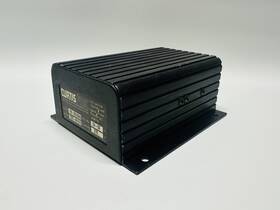
( Brand: Curtis ), ( Manufacturer Part Number: 1187-070 ), ( Part Type: Motor Controller )
Review CURTIS Pmc Dc Motor Controller
The Curtis 1187-070 PMC (Power Management Controller) is a versatile and advanced motor control solution designed for various industrial applications. This motor controller, manufactured by Curtis Instrument, is an optimized choice for powering hydraulic motors, pumps, and other heavy-duty loads.
The 1187-070 PMC is based on a microprocessor design, enabling precise control, monitoring, and protection of the connected loads. It offers extensive control functions, such as velocity, position, and torque control, acceleration and deceleration routines, adjustable current limiting, and programmable logic capabilities.
The 1187-070 PMC is a 3-quadrant, 50/60Hz AC/DC motor controller with a high current rating of 340 Amps DC. It provides both DC and AC power input compatibility with an adjustable input voltage range from 100V to 528V for AC applications. The DC input range is from 12V to 150V. This extensive voltage range makes the controller suitable for a wide range of industrial applications.
The controller features multiple protection functions, including overvoltage, undervoltage, overcurrent, and overtemperature protection. It also includes an integrated brake resistor, making it easier to implement automatic or manual braking systems, ensuring the controlled load is securely stopped when necessary.
The controller offers several communication interfaces, such as RS-232, RS-485, and CAN bus, allowing seamless communication and integration with various monitoring systems and industrial automation networks. Its panel-mount design comes with rotary and push-button switches, making it easy to adjust settings systemically.
The Curtec Software package is available for the 1187-070 PMC, which provides a user-friendly interface for programming and application development. This software enables precise control, user-defined control strategies, and real-time monitoring of the motor controller.
This robust controller also features an excellent thermal design, which includes an easy-to-install fan for optimal heat dissipation. Overall, the Curris 1187-070 PMC is an advanced motor controller capable of meeting the demanding requirements of various industrial applications, offering both versatility and functionality while ensuring safety, precision, and reliability.
A Comparative Analysis of the Curtis 1187-070 PMC Motor Controller
The Curtis 1187-070 PMC (Model-Based Motor Control) is a popular choice for hobbyists and professionals alike for controlling DC brush motor applications. In this analysis, we will examine the key benefits and potential disadvantages of investing in this motor controller. Before diving into the pros and cons, it's essential to understand a few baseline characteristics of the Curtis 1187-070 PMC:
1. Continuous current: 180 amps (rms)
2. Peak current: 260 amps (up to 3 kW)
3. Input voltage range: 100-150V DC
4. Size: Approximately 10 x 11 cm
5. Weight: 1.5 kg
Pros:1. Advanced Motor Control: The Curtis 1187-070 utilizes Model-Based Motor Control to optimize motor performance and efficiency. By digitally analyzing motor models, it can adapt to changing motor conditions and provide smoother operation compared to traditional controllers.
2. Versatile Input Modes: The motor controller offers various selectable input modes. They include DC voltage, regenerative braking, andDigital Multi-input (DMI), allowing users to adapt to different power sources.
3. Expandability: Users can connect up to five receivers, a tachometer, and three data input lines to the controller for additional functionality and customizability.
4. Integrated Current Sensing: The robust integrated current sensing circuit provides accurate, dependable readings for monitoring amps, commute offset, and other factors critical for high-performance motor operation.
5. Safety Features: The Curtis 1187-070 includes safety features like reverse motor protection, output overvoltage protection, and output undervoltage protection to ensure safe operation of the motor system.
Cons:1. Complex Setup: Setting up the 1187-070 can be a daunting process for individuals new to motor control. The variable nature of Model-Based Motor Control can result in more time spent during initial configuration compared to simpler controllers.
2. Cost: While its advanced features are appealing, the Curtis 1187-070 comes with a higher price tag than basic motor controllers. This could deter budget-conscious hobbyists or professionals.
3. Size: The compact size of the controller is impressive, but it might not be suitable for larger projects where a more extensive controller is required.
Conclusion:The Curtis 1187-070 offers an array of advanced features, delivering exceptional motor control, expandability, and versatility. These benefits far outweigh its modest downsides of a complex setup and a slightly higher cost compared to simpler controllers. For hobbyists and professionals looking for high-performance motor control solutions for their projects, the 1187-070 could prove to be an excellent investment.
Recommendation:If you're seeking outstanding motor control for your project, and are willing to invest time and effort in custom configuration, the Curtis 1187-070 PMC motor controller will deliver impressive performance. Those with smaller budgets or less technically advanced projects may consider alternative, less expensive motor controllers.
Details:
Seems in good condition.
part #: 1187070 prices
- $139.00-$499.99
specifications forklifacc:
- brand: Curtis
- mpn: 1187-070
- part type: Motor Controller
shipping forklifacc:
- carrier: USPS
- class: Standard
- type: Calculated
- service: USPS Ground Advantage
- cost: $0.00
- transit: 3-8 Days
seller forklifacc:
- city: Elberta, Alabama
- rating: 100.0%
- # reviews: 1885
offer forklifacc:
- options: Ship-to-home
- availability: In Stock
- quantity: 1
- sold: 0
- best offers: True
- started: January 29, 2025
payments forklifacc:
- other
- wallet: Paypal
- credit card: Discover
general forklifacc:
- Warehouse Loading Unloading > Warehouse klift Parts Accessories > Other klift Parts Accessories
- condition: Used
returns forklifacc:
- policy: No Returns
Curtis 1187-070 Is Similar To:
- 00590-02365-71 Toyota Curtis Pmc D.c (34.7% similar) C motor controller 24VDC. All activity in the shipping and receiving area is recorded for future reference. This was a new pull item. 1H-0MD-FF6-C0. It has been sitting in the ware house forever. Toyota Curtis pmc...(February 1st, 2018)
- 1042226-005 Curtis Motor Controller Used Condition (51.7% similar) Curtis 36V 400AMP came out of working unit. Used controller out of pallet jack order picker rugger...(July 17th, 2018)
- 1204x-1204 Curtis Motor Controller (63% similar) Curtis 1204X-1204...(November 4th, 2018)
- 1205-104 Curtis Pmc (34.5% similar) ...(January 23rd, 2019)
- 1205-105 Curtis Pmc Vdc Motor Controller Model Current Used (59.2% similar) Item must arrive back in the condition it left. Qty 1 Curtis pmc CDC motor controller model current 400 used sold with a 60 day warranty beginning date item is shipped. And begins the date item is shipped. If using free shipping, item will either ship USPS priority or ups ground. These items new or ...(December 10th, 2018)
- 1205-111 Curtis Pmc (34.5% similar) This would involve a core fee...(January 23rd, 2019)
- 1207-4119 Curtis Motor Controller (63.9% similar) This would involve a core fee...(January 29th, 2019)
- 1228-2408 Curtis Pmc D.c Controller (64.9% similar) Curtis pmc controller was remove from working mobility scooter...(February 5th, 2018)
- 1228-2901 Curtis Pmc 1228-3409 D.c (32.9% similar) I bough this controller brand new two months ago and never put it on...(February 13th, 2018)
- 1231c-8604 Curtis Pmc (33.3% similar) This is a Curtis dc controller model 1231C-8604, voltage 156, Ampere theses sold new for around 2000 . Its in great working condition. If interested please me or call. This is a used controller out of Cobain sparrow...(February 12th, 2017)
- 1236-4402 Curtis Ac Motor Controller Vlc Untested (56.8% similar) This sale INCLUDES,1 Curtis ac motor controller LC offered for parts or repair only. Defects,unknown, item is untested...(May 22nd, 2018)