TOTAL SOURCE 1501887 Hose Pcv Vent
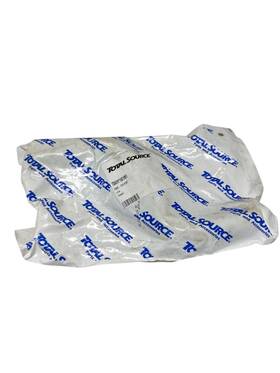
( Brand: Total Source ), ( Manufacturer Part Number: 1501887 ), ( Part Type: Hose Vent )
Review TOTAL SOURCE Hose Pcv Vent
Introducing the Total 1501887 PCV Vent Hose, a high-performing and reliable automotive component designed to ensure optimal engine functionality. This PCV (Positive Crankcase Ventilation) hose is an essential part of your vehicle's emission system, allowing gases to escape from the crankcase, preventing harmful pressure buildup, and ultimately reducing engine wear.
Manufactured by Total, a globally recognized company for automotive products, this PCV Vent Hose is built with premium quality materials to ensure durability and longevity. It is constructed from a reinforced rubber compound, resistant to oil, fuel, and other harsh engine fluids, making it ideal for various driving conditions.
The Total 1501887 PCV Vent Hose features a robust and flexible design, allowing it to withstand the rigors of daily use and engine vibrations. Its smooth inner surface ensures unhindered flow of gases, ensuring efficient operation and improved engine performance. The hose is also equipped with a sturdy clamp, ensuring a secure and leak-free connection to the intake manifold and crankcase.
This Total PCV Vent Hose is an excellent replacement for worn-out or damaged hoses, ensuring that your engine runs at its best. It is also suitable for use in both gasoline and diesel engines, making it a versatile choice for a wide range of vehicles.
Installation of the Total 1501887 PCV Vent Hose is a straightforward process, with clear instructions provided in the packaging. The hose comes pre-assembled with the necessary fittings and clamps, minimizing the need for additional components and simplifying the installation process.
In summary, the Total 1501887 PCV Vent Hose is a top-quality automotive component designed to deliver optimal engine performance and durability. Its high-quality construction, flexible design, and secure connections make it a reliable choice for various driving conditions and vehicle types.
Buying a PCV hose with a total length of 1501887 millimeters (approximately 583 inches) for your vehicle's engine venting system can have several advantages and disadvantages. Here's a detailed analysis:
Advantages:1. Proper Functioning: A new PCV hose can ensure that your engine's Positive Crankcase Ventilation (PCV) system functions properly, preventing excessive crankcase pressure and reducing harmful emissions.
2. Durability: High-quality PCV hoses are resilient and can withstand the harsh conditions of the engine bay. They are usually made of reinforced rubber or other materials that can handle extreme temperatures and engine vibrations.
3. Improved Engine Performance: A faulty or deteriorated PCV hose can lead to engine performance issues, such as rough idling, poor acceleration, and increased fuel consumption. Replacing the hose can help restore engine performance.
4. Preventing Oil Leaks: A PCV hose that is worn or damaged can result in oil leaks. A new hose can prevent these leaks, saving you the cost of engine repairs.
Disadvantages:1. Cost: PCV hoses, especially long ones like the one you're considering, can be relatively expensive. The cost of the hose itself may vary depending on the vehicle make, model, and the quality of the replacement hose.
2. Installation: Installing a new PCV hose can be a complex process, especially for those without automotive repair experience. The hose connects to various engine components, and incorrect installation can lead to serious issues.
3. Time-Consuming: Replacing a PCV hose is a time-consuming process. It may take several hours, depending on your mechanical skills and the complexity of your vehicle's engine.
4. Potential for Error: When installing a new PCV hose, there is a risk of making mistakes that can lead to further issues. For example, using the wrong clamp or installing the hose in the incorrect orientation can cause problems.
Conclusion:Replacing a faulty or worn PCV hose with a new one can be beneficial for your vehicle's engine performance, durability, and emissions. However, the cost, installation complexity, and potential for errors are significant drawbacks. If you are comfortable with automotive repairs, have the necessary tools, and are willing to invest the time and money, then replacing the hose yourself could save you money compared to paying for professional installation. Alternatively, you could consider taking your vehicle to a professional mechanic to have the hose replaced.
Recommendation:If you are unsure about your mechanical skills or are concerned about the installation complexity, it's recommended that you take your vehicle to a professional mechanic to have the PCV hose replaced. While it may cost more upfront, it can save you time, potential installation errors, and the stress of doing the work yourself. If you are confident in your mechanical abilities and have the necessary tools, then you could consider purchasing the hose and installing it yourself. In either case, ensure you buy a high-quality PCV hose from a reputable automotive parts supplier to ensure proper engine performance and longevity.
Details:
part #: 1501887 price
- $25.95
specifications forklifacc:
- brand: Total Source
- mpn: 1501887
- part type: Hose Vent
general forklifacc:
- condition: New
- Warehouse Loading Unloading > Warehouse klift Parts Accessories > Other klift Parts Accessories
shipping forklifacc:
- service: USPS Ground Advantage
- class: Standard
- cost: $0.00
- type: Calculated
- transit: 3-7 Days
- carrier: USPS
offer forklifacc:
- availability: In Stock
- sold: 0
- started: March 4, 2026
- options: Ship-to-home
- quantity: 1
payments forklifacc:
- other
- wallet: Apple-pay
- credit card: Mastercard
returns forklifacc:
- policy: Returns Accepted
- paid by: Seller
- time: 30 Days
- method: Money back
seller forklifacc:
- # reviews: 3166
- rating: 99.9%
- city: Everett, Washington
Total Source 1501887 Is Similar To:
- 00591-76751-81 Total Source Genuine Yt900199309 (37.2% similar) I'm human and I make mistakes just ask my wife. If you are looking for a specific item that I do not have listed ask, may it. And I take pride in the work do. The quantity of items on label may not reflect how many are actually in box bag. Some of the items may not be in original package but are oem...(February 23rd, 2018)
- 03071-30214 Total Source Taper Roller Bearing For Tcm Forklift (31.7% similar) Satisfaction guaranteed: our objective is your Total...(March 5th, 2018)
- 064252-045 Total Source Box Hose Assembly (52.5% similar) Item is new, unused, no factory packaging...(March 28th, 2018)
- 101810 Total Source New Forklift Lp Gas Vacuum Switch Hyster Part (36.5% similar) Purchasing more than one item. May come in non original package. For more deals...(November 4th, 2018)
- 1075137 Cat Total Source Poly Wheel Shaft (47.5% similar) ...(August 29th, 2018)
- 115280 Total Source 166295 Old-stock (45.3% similar) Item appears unused and has been in storage for some time...(January 24th, 2018)
- 116329 Total Source 166292 Old-stock (42.7% similar) Item appears unused and has been in storage for some time old-stock, Total Source extension plug...(January 24th, 2018)
- 116994 Total Source Load Wheel Axle (45.9% similar) Item appears unused and has been in storage for some time...(March 16th, 2018)
- 123-000-585 Total Source Raymond Axle Free Priority Mail Same Day Days (40.4% similar) ...(April 26th, 2018)
- 127104h1 Total Source Parts And Accessories New Paymover Gse Aircraft Pushback (37.6% similar) Two new cylinders old stock...(March 2nd, 2019)
- 1330452 Total Source Hy Oil Pan Gasket For Hyster New (43.5% similar) If you don't see it, its not included, unless specifically mentioned in the listing. Please view the pictures. Especially to the east coast. I do show the label when available so you can see part number...(April 30th, 2018)