TOYOTA 53760-23000-71 Forklift Seat Seatbelt Belt
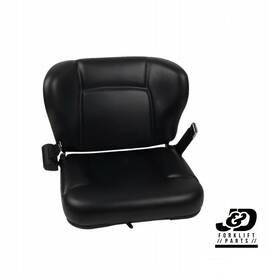
( Brand: Toyota ), ( Non-domestic Product: No ), ( Type: Seats ), ( Compatible Equipment Type: Forklift ), ( Forklift Part Type: Belt ), ( Compatible Equipment Make: Universal ), ( UPC: 537602300071 )
Review TOYOTA Aftermarket New Forklift Seat Oem Retractable Seatbelt Belt Best Quality
Introducing the Toyota 53760-23000-71 forklift seat belt, an essential safety component for your Toyota forklift. This replacement seat belt is designed to provide maximum protection for operators during rigorous forklift operations.
Crafted with high-quality materials, this seat belt is built to withstand daily wear and tear. It boasts a sturdy, durable design that ensures a secure and reliable fit. The belt features a latch plate made of robust metal, which connects firmly to the forklift's anchor point, providing a stable attachment.
The Toyota 53760-23000-71 seat belt is adjustable to accommodate various operator sizes. It comes with an easy-to-use buckle that allows operators to adjust the belt length quickly and effortlessly. The belt's webbing material is flexible yet strong, allowing it to comfortably conform to the operator's body while providing unwavering safety.
Safety is the top priority with this replacement seat belt. It meets or exceeds the industry standards for forklift seat belt performance and durability. The belt is also compatible with various Toyota forklift models, ensuring a perfect fit for your specific machine.
In summary, the Toyota 53760-23000-71 forklift seat belt is a crucial investment in the safety and productivity of your forklift operation. Its durable design, adjustable length, and secure attachment make it an ideal choice for maintaining a safe and efficient work environment.
Buying a Toyota forklift seat with part number 5SGS15230071 that includes a seatbelt (53760-23000-71) can have several advantages and disadvantages, depending on the specific circumstances of your operation. Here are some potential pros and cons to consider:
Pros:1. Compliance with OSHA regulations: The Occupational Safety and Health Administration (OSHA) requires that all forklift operators be restrained by a seat belt or other effective restraint system. Installing a new seatbelt on a forklift can help ensure that your operation is OSHA-compliant.
2. Increased safety: A functional seatbelt can help prevent injuries or even fatalities in the event of a forklift rollover or other accident. It is an essential safety feature that can provide peace of mind for operators and managers alike.
3. Improved operator comfort: A new seatbelt can also offer improved comfort for operators, as it may be more adjustable or provide a better fit than an older or worn-out belt.
4. Longer lifespan: Replacing a worn-out seatbelt with a new one can help extend the overall lifespan of the forklift seat, as a damaged or malfunctioning seatbelt can put additional stress on the seat and other components.
5. Potential cost savings: While the upfront cost of a new seatbelt may seem high, the long-term cost savings can be significant. A malfunctioning seatbelt can lead to damage to the forklift or injury to the operator, both of which can result in costly repairs or workers' compensation claims.
Cons:1. Upfront cost: The cost of a new forklift seatbelt, especially when purchased separately from the seat itself, can be a significant investment. This may be a barrier for some operations with limited budgets.
2. Installation complexity: Installing a new seatbelt may require specialized knowledge or tools, which could add to the overall cost and time required for the installation.
3. Potential compatibility issues: It's essential to ensure that the new seatbelt is compatible with the specific model and make of your forklift. Incompatible parts can lead to installation issues or even safety concerns.
4. Potential downtime: Installing a new seatbelt may require taking the forklift out of service for a period of time. This could result in lost productivity and additional labor costs.
Conclusion:In summary, purchasing a new Toyota forklift seatbelt (53760-23000-71) with part number 5SGS15230071 can offer several advantages, including improved safety, increased comfort, OSHA compliance, potential cost savings, and longer lifespan. However, there are also some potential disadvantages, such as upfront cost, installation complexity, potential compatibility issues, and potential downtime.
Recommendation:If your forklift's seatbelt is worn out or malfunctioning, it is essential to address the issue as soon as possible to ensure the safety of your operators and compliance with OSHA regulations. Weigh the pros and cons carefully and consider the specific circumstances of your operation before making a decision. It may be helpful to obtain quotes from multiple suppliers to ensure that you're getting a fair price. Additionally, make sure to verify the compatibility of the seatbelt with your forklift model and make before purchasing.
Details:
Crafted from high-quality materials, this seatbelt is built to last and provide reliable protection in the event of an accident. With no modification necessary for installation, you can easily add this accessory to your forklift and enjoy the peace of mind that comes with increased safety on job.
part #: 537602300071 prices
- $248.00-$280.91
specifications forklifacc:
- brand: Toyota
- non-domestic product: No
- type: Seats
- compatible equipment type: Forklift
- forklift part type: Belt
- compatible equipment make: Universal
- upc: 537602300071
shipping forklifacc:
- type: Fixed
- class: Standard
- carrier: UPS
- cost: $0.00
- transit: 2-6 Days
- service: UPS Ground
payments forklifacc:
- wallet: Google-pay
- other
- credit card: Discover
seller forklifacc:
- city: Moreno Valley, California
- # reviews: 617
- rating: 98.7%
offer forklifacc:
- availability: In Stock
- sold: 0
- options: Ship-to-home
- quantity: 3
- best offers: True
- started: March 13, 2025
returns forklifacc:
- policy: Returns Accepted
- paid by: Buyer
- time: 30 Days
- method: Money back
general forklifacc:
- condition: New
- Warehouse Loading Unloading > Warehouse klift Parts Accessories > Other klift Parts Accessories
Toyota 53760-23000-71 Is Similar To:
- 00590-03798-71 Toyota Forklift Switch (38% similar) Oe switch for Toyota fork trucks. Terminals: normally off on common...(January 27th, 2018)
- 00590-39591-71 Toyota Danaher Motion Forklift Steering Controller (38.8% similar) Ripped down a Toyota forklift that lost its motor. Works perfect...(April 28th, 2018)
- 00590-40937-71 Toyota Forklift Torsion Spring (37.2% similar) Satisfaction guaranteed: our objective is your total...(August 14th, 2017)
- 00590-41741-71 Toyota New Genuine Cone (29% similar) Box item may show signs of dust wear writing scratches grease from storage. Any charges incurred for hazardous materials or other special handling by the carrier must be paid customer. Please if you want to return anything. Always check part number compatibility before you purchase. New genuine ...(October 1st, 2017)
- 00590-43482-71 Toyota New Wiring Harness For Forklift Kauffman (32.1% similar) New wiring harness for Toyota forklift, Kaufman surplus item in original sealed packaging...(May 10th, 2018)
- 00590-47605-71 Toyota New Main Wiring Harness For (24.2% similar) New Toyota main wiring harness for 7HWB23...(July 26th, 2018)
- 005904406971 Toyota Oem Equivalent Replacement Forklift Operator Display (34.9% similar) ...(April 21st, 2018)
- 02-4fg10 02-4fg14 02-4fg15 02-4fg18 02-fd18 Aftermarket Master Cylinder Fits Toyota Forklift (30.2% similar) All manufacturers parts are used to identify the product application purpose only. Master cylinder fits Toyota forklift truck 02-4FG10MASTER 02-4FG14,MASTER 02-4FG15,MASTER 02-4FG18,MASTER 02-FD181 bore size. We'll be very glad to help you. All parts are aftermarket replacement except some clearly ...(March 29th, 2018)
- 02-5fg35 Toyota Forklift Lb Inch Lift With Wheel Attachment (30.2% similar) Wheel lift attachment in excellent condition. In excellent condition, ready to work. Propane only 6221 hours...(March 23rd, 2019)
- 02-7fd45 02-7fda50 02-7fg45 02-7fga50 Aftermarket Solenoid Fit Toyota Forklift Truck (34.8% similar) All parts are aftermarket replacement except some clearly marked oem. Not for sure, please to verify. All manufacturers parts are used to identify the product application purpose only. We'll be very glad to help you. PA10011-0001VALVE assembly, solenoid fits Toyota forklift truck 02-7FD45VALVE 02-...(March 25th, 2018)
- 02-7fg35 02-7fg40 02-7fgk40 42-7fd35 Aftermarket Solenoid For Toyota Forklift Truck (35% similar) All parts are aftermarket replacement except some clearly marked oem. PA10011-0010VALVE assembly, solenoid fits Toyota forklift truck 02-7FG35VALVE 02-7FG40VALVE 02-7FGK40VALVE 42-7FD35 certain series number of the above model's may use different. Not for sure, please to verify. We'll be very glad ...(March 25th, 2018)