MITSUBISHI 91246-17100 Brake Shoe Forklift
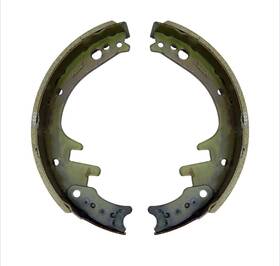
( Brand: Mitsubishi ), ( Manufacturer Part Number: 91246-17100 ), ( Model: MITSUBISHI 91246-17100 ), ( Part Type: Brake ), ( Compatible Equipment Type: Forklift )
Review MITSUBISHI Aftermarket Pair Brake Shoe Forklift See Pictures
Introducing the 91246-17100 brake shoe, a high-performance component specifically designed for Mitsubishi forklifts. This brake shoe is engineered to deliver exceptional braking performance and durability, ensuring optimal safety and productivity for your industrial operations.
The 91246-17100 brake shoe is meticulously crafted from premium quality materials that can withstand the rigors of heavy-duty forklift use. It is designed to fit perfectly into the brake drum assembly of Mitsubishi forklifts, ensuring a secure and snug fit. The shoe features a robust construction with a high-friction lining, which ensures superior braking power and consistency.
This brake shoe is manufactured with great attention to detail, ensuring that it meets the highest standards of quality and precision. The lining material used is specifically formulated to provide excellent braking performance, even in high-temperature environments. The shoe's design also allows for efficient heat dissipation, preventing the brake lining from overheating and reducing the risk of brake fade.
The 91246-17100 brake shoe is an excellent investment for any Mitsubishi forklift operator seeking to enhance their vehicle's braking performance and extend its lifespan. Its robust construction and high-quality materials ensure that it can withstand the demands of intense industrial use, providing reliable and consistent braking performance for countless hours of operation.
In conclusion, the 91246-17100 brake shoe is an essential component for any Mitsubishi forklift, providing superior braking power, consistency, and durability. Its high-quality materials, precise fit, and efficient heat dissipation design make it an ideal choice for operators seeking to maximize their vehicle's performance and productivity while ensuring optimal safety for their workers and equipment.
Buying a new set of brake shoes (Part No. 91246-17100) for your Mitsubishi forklift involves considering several factors to help you make an informed decision. Here are some pros and cons to help you weigh the options:
Pros:1. Safety: Worn-out brake shoes can compromise the safety of your forklift's braking system. New brake shoes ensure efficient braking, reducing the risk of accidents.
2. Improved Performance: New brake shoes can improve the overall performance of your forklift's braking system, leading to better control and maneuverability.
3. Longer Lifespan: Using new brake shoes can help extend the lifespan of your forklift's brake drums and other related components.
4. Compliance: Ensuring that your forklift's brakes are in good working condition is essential for compliance with safety regulations.
Cons:1. Cost: Replacing brake shoes can be an expense, especially if you have to replace them frequently.
2. Labor Costs: Installing new brake shoes requires specialized knowledge and tools, which can add to the total cost.
3. Downtime: Having your forklift out of service for brake shoe replacement can result in lost productivity.
Conclusion:Considering the pros and cons, the decision to buy a new set of brake shoes (Part No. 91246-17100) for your Mitsubishi forklift ultimately depends on your priorities. If safety, performance, and compliance are your top concerns, then the investment in new brake shoes is worthwhile. However, if cost and downtime are significant factors, you may want to explore alternative options such as brake shoe reconditioning or extending the lifespan of your existing shoes through regular maintenance.
Recommendation:Based on the information provided, my recommendation would be to consider the importance of safety, performance, and compliance when making your decision. If you prioritize these factors, then it is a good idea to invest in new brake shoes. However, if you are looking for cost-effective solutions, you may want to explore other options such as brake shoe reconditioning or extending the lifespan of your existing shoes through regular maintenance. Ultimately, the best choice for your situation depends on your specific circumstances and priorities.
Details:
part #: 9124617100 prices
- $26.50-$98.00
specifications forklifacc:
- brand: Mitsubishi
- mpn: 91246-17100
- model: Mitsubishi 91246-17100
- part type: Brake
- compatible equipment type: Forklift
seller forklifacc:
- city: Moreno Valley, California
- # reviews: 1383
- rating: 99.8%
shipping forklifacc:
- type: Fixed
- class: Standard
- carrier: UPS
- transit: 3-5 Days
- service: UPS Ground
- cost: $0.00
payments forklifacc:
- wallet: Paypal
- credit card: Visa
- other
general forklifacc:
- Warehouse Loading Unloading > Warehouse klift Parts Accessories > Other klift Parts Accessories
- condition: New
returns forklifacc:
- time: 30 Days
- method: Money back
- policy: Returns Accepted
- paid by: Buyer
offer forklifacc:
- options: Ship-to-home
- quantity: 4
- sold: 0
- availability: In Stock
- started: October 3, 2025
- best offers: True
Mitsubishi 91246-17100 Is Similar To:
- 0536979 Mitsubishi Caterpillar Forklift Rlr Nib (36.8% similar) Great deals on all kinds of different items. Debbie-dabbles. RFC over 2,000 unique items for sale. Lots of hard to find miscellaneous hardware tools. Thanks Jeff Debbie binman: stores. Barbie dolls selected rare coins. 1950S pinup photos and negatives. Specializing in holiday crafts, ornaments ...(July 5th, 2018)
- 0909617 Cat Mico Master Brake Cylinder Kit For Erpillar Mitsubishi Forklift (52.3% similar) Check back often for more products and solutions. Free shipping within the continental USA. This item has a 100% satisfaction guarantee...(December 19th, 2018)
- 0926348 Cat Erpillar Mitsubishi Forklift Instrument Part (46.3% similar) ...(March 6th, 2018)
- 1036462 Mitsubishi New Forklift Wheel (43.5% similar) New Mitsubishi forklift wheel tire bearing kit...(November 30th, 2017)
- 1039540 Apb Shift Solenoid For Mitsubishi Caterpillar Forklift Working (47.3% similar) Please do the same as a buyer. Product is still un owned, unused and in new condition. Features brand new rebuilt items comes with 1 year warranty. Again we refer you to the manufacturers' warranty. Valve - solenoid for caterpillar forklift. All products are fully described and cannot be contested ...(August 4th, 2018)
- 1049819 Mitsubishi Caterpillar Forklift Bearing Lot Of (39.4% similar) Dont like the price. Be sure and ask...(March 28th, 2018)
- 1166247 Caterpillar Mitsubishi Forklift Cat Distributor Cap Cylinder (39.7% similar) ...(August 16th, 2018)
- 1202346 Mitsubishi New Forklift Platform (47.5% similar) This listing is for new one forklift platform extension mount r free ships pictures more details...(January 15th, 2018)
- 16a71-00010 Mitsubishi Forklift Truck Pm-1000 (48.8% similar) Dimensions W150 XD250 XH130MM 36 48V INPUT400A max current...(February 12th, 2018)
- 2i3320 Promatch Rapidparts Cat Seal Caterpillar Mitsubishi Forklift (35.9% similar) Caterpillar cat Mitsubishi forklift seal 2I3320. Offered here is this lot of 5 PCs. Brand new surplus from a local distributor, offered at great price with shipping included...(May 2nd, 2018)
- 2i4002 Promatch Rapidparts Clevis Pin For Caterpillar Mitsubishi Nos (37% similar) Offered here is this pro match rapid parts 2I4002 clevis pin for caterpillar and Mitsubishi. Pin measures 3/8 in diameter and 1 length . Brand new surplus from a local distributor, offered at great price with shipping included...(May 19th, 2018)